The short answer: open a free online PDF editor in your browser, drop in your file, click the text you want to change, type your fix, and download the new version. The whole thing takes about two minutes. No software to install, no account to create.
PDFs have a reputation for being unchangeable. That reputation is outdated. Modern browser-based editors let you fix typos, update dates, add text, drop in images, and sign documents without touching the original formatting. Here's how it works and how to get clean results.
What "editing a PDF" actually means
People say "edit a PDF" and mean several different things. A PDF editor generally lets you:
- Change existing text — fix a typo in a contract, update a date on an invoice, correct a name
- Add new text anywhere on the page — fill in a form field, add a note, insert a paragraph
- Insert images — add a logo, a signature, a stamp, a photo
- Draw and annotate — highlight, underline, add shapes and arrows
- Rearrange pages — delete blank pages, reorder, rotate
If all you need is to fill in a form, that's the simplest kind of edit. If you need to rewrite paragraphs, that's harder — and worth understanding why.
Why editing PDF text is trickier than editing a Word doc
A Word document is built for editing: text flows, paragraphs rewrap, pages repaginate. A PDF is built for looking identical everywhere. Each line of text sits at a fixed position on the page, like words printed on paper.
That means when you change a word, the editor has to do something clever: cover the original text with a patch matching the background, then place your new text in the same font, size, and color. Good editors do this invisibly. Cheap ones leave a visible white box or mismatched font that screams "this was edited."
The practical takeaway: small edits (a word here, a date there) come out clean. Rewriting entire paragraphs can shift things. If a document needs heavy rewriting, it's often easier to convert it to Word first, edit there, and convert back.
How to edit a PDF online, step by step
Here's the process in PDFEdit's free Studio editor:
- Open the edit tool. Go to the edit page — there's no sign-up and nothing to download.
- Drop in your PDF. Drag the file into the browser window or click to browse. It stays on your device; it's not uploaded to a server.
- Click the text you want to change. The editor detects the original text and shows you exactly what font, size, and color it uses.
- Type your replacement. The new text automatically matches the original styling so it blends in.
- Add anything extra. Need a signature? A logo? A checkbox tick? Use the insert tools to place them where you want.
- Download. Hit export and save the new PDF. Done.
That's it. For a typo fix, you're looking at under a minute.
Common mistakes (and how to avoid them)
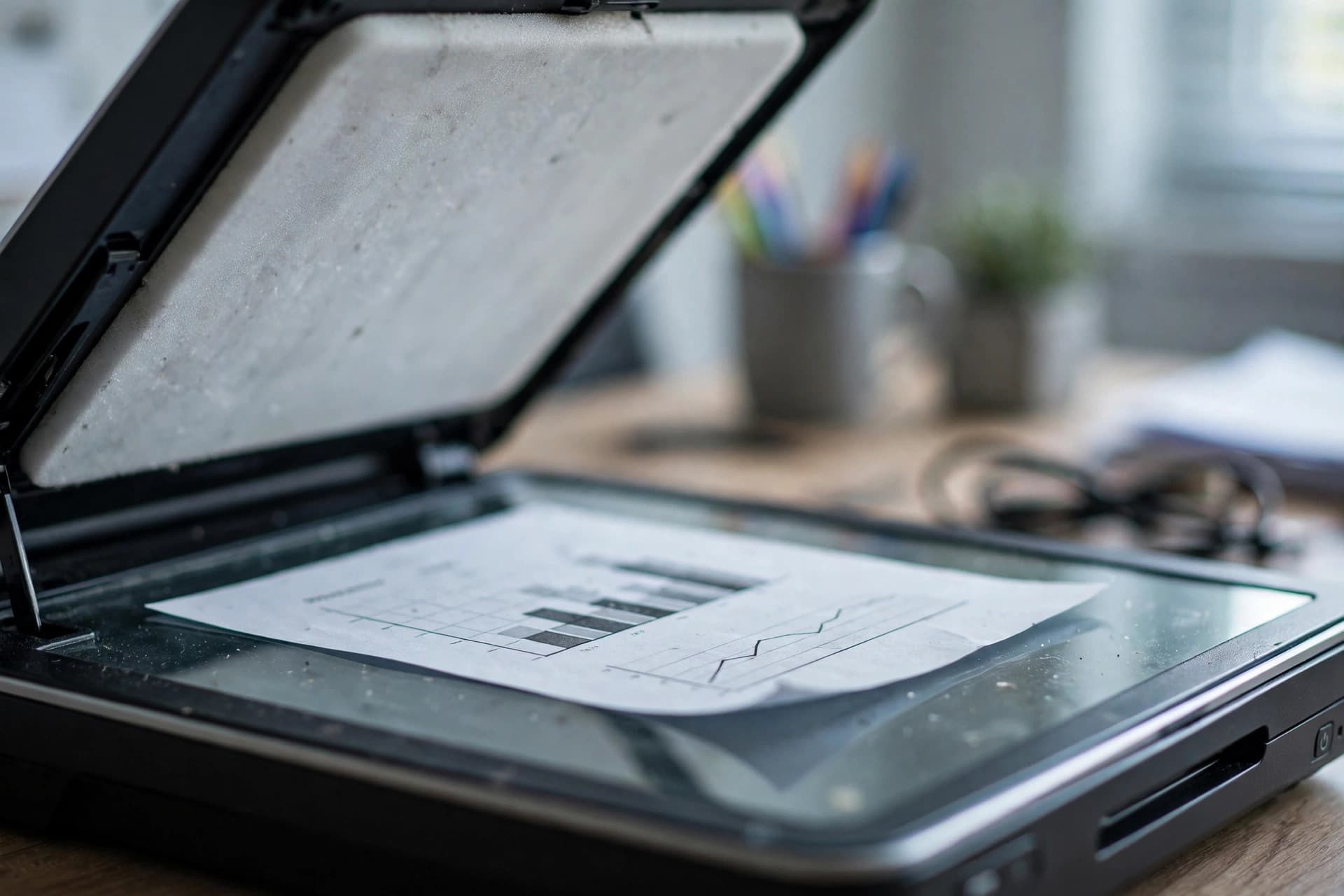
Editing a scan as if it were text. If your PDF came from a scanner, the "text" is actually a photograph of text. Clicking it does nothing. You need OCR first — optical character recognition converts the image into real, selectable text. Only then can you edit it. If you try to edit a scan directly, you'll just be drawing boxes on a picture.
Changing one word and wrecking the line. Replacing "January" with "Sept" is fine. Replacing "January" with "the third week of September" will overflow the line. Keep replacement text roughly the same length as the original, or the layout suffers.
Using the wrong tool for forms. If you're filling in a form with blanks and checkboxes, you want form-filling, not text editing. Adding plain text boxes over form fields works, but a proper form workflow is faster and cleaner.
Forgetting to check the whole document. After editing, scroll through every page before sending. It's easy to leave a half-covered word or a stray annotation on page 7 that you never looked at.
When to convert to Word instead
Sometimes the honest answer is that a PDF editor isn't the right tool. Convert to Word when:
- You're rewriting more than a few sentences
- The document needs new sections or restructured paragraphs
- You need tracked changes for someone else to review
PDFEdit's PDF to Word converter handles this, and you can convert back with Word to PDF when you're done. For quick surgical fixes, though, editing in place is faster and preserves the exact original layout.
A note on scanned documents and signatures
Two of the most common PDF jobs deserve their own mention. If you're dealing with a scanned contract, run it through OCR first — that extracts the text into a file you can work with. Note the honest limit: our OCR tool gives you the text as a separate downloadable file; it doesn't turn the scan itself into editable text. If you need to sign, you don't need to print, sign, and rescan like it's 2009. Draw or upload your signature and place it directly on the document. It takes seconds and looks cleaner than a phone photo of a scribble.
The bottom line
Editing a PDF online is genuinely free and genuinely easy now — as long as you match the job to the right technique. Small text fixes: edit in place. Scanned pages: OCR first. Heavy rewrites: convert to Word. Forms: fill them properly. And whatever you do, use a tool that doesn't upload your documents to a server or watermark your output. Your invoices and contracts deserve better than that.