The short answer: run your scanned PDF through an OCR tool. OCR — optical character recognition — reads the images of text and extracts the words, giving you a text file you can search, copy, and edit.
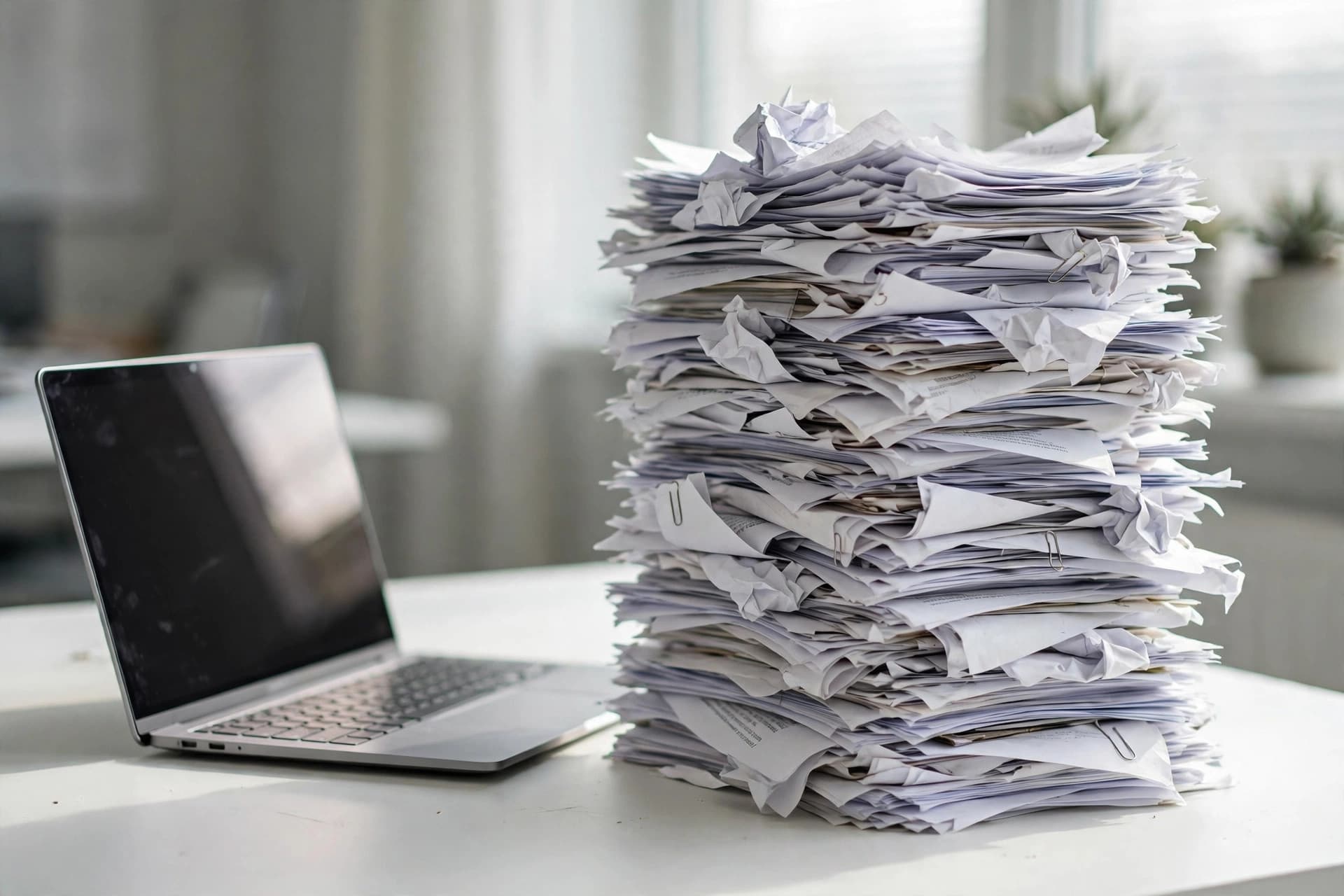
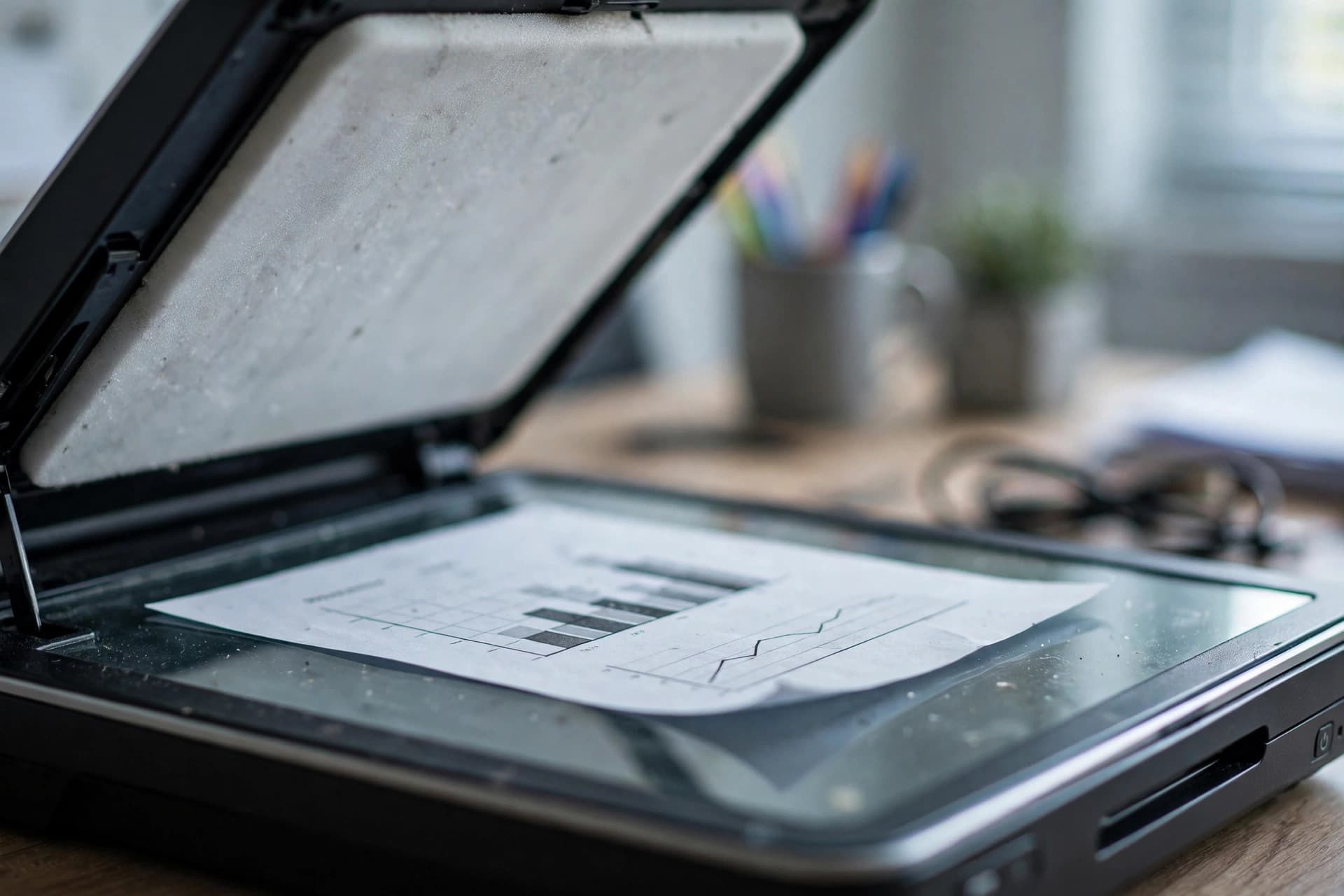
If you've ever tried to find a phrase in a scanned PDF with Ctrl+F and gotten zero results, or tried to copy a paragraph and pasted an image instead, you've met the problem. A scanned PDF isn't really a document — it's a stack of photographs of a document. OCR is what turns the photographs back into text.
The ten-second test: does your PDF need OCR?
Open the PDF and try to highlight a sentence with your cursor. Three possible outcomes:
- You can select individual words. It already has a text layer. No OCR needed — move on with your day.
- The whole page selects as one block. It's a scan. OCR will fix it.
- Nothing selects at all. Also a scan — possibly a trickier one. OCR is still the answer.
This test takes ten seconds and saves you from OCR-ing files that don't need it.
How to OCR a scanned PDF
Step 1: Check the scan quality
OCR is only as good as the image it reads. A crisp, straight scan at decent resolution converts beautifully; a crooked phone photo of a page taken in bad light will produce creative fiction. If the scan is terrible and you still have the paper, rescanning is faster than correcting a bad OCR pass. Seriously — five minutes with the scanner beats an hour of fixing misread words.
Step 2: Run it through an OCR tool
Open PDFEdit's OCR tool, upload the scanned PDF, pick the document language (English, Spanish, French, or German), and let it process. It analyzes each page image, recognizes the characters, and shows you the extracted text — which you can review and download as a text file. Your PDF itself is never modified.
It runs in your browser, which is worth a thought when the scan is a tax return or a medical record: the document never leaves your computer.
Step 3: Verify the important bits
No OCR is perfect. Spot-check the parts that matter: names, numbers, dates, dollar amounts. A misread "1" for "7" in a contract or an invoice is the kind of error that causes real problems. For casual reading, the occasional wrong word is harmless; for anything official, proofread.
What OCR gets wrong (honestly)
Let's be straight about the limits:
Handwriting. OCR is built for printed text. Handwritten notes come out as gibberish — sometimes entertaining gibberish, but gibberish. If the document is handwritten, retype it.
Low-resolution and blurry scans. Below about 150 DPI, accuracy falls off fast. Old fax-quality scans are the worst offenders — the characters are just blobs at that point.
Unusual fonts and decorative text. Standard body text converts well. Fancy display fonts, text over busy backgrounds, and stylized logos confuse the recognizer.
Tables and columns. OCR reads text; it doesn't always understand structure. A complex table might come out with its cells in the wrong order, and two-column layouts can interleave. The words are there, but the reading order needs checking.
Multiple languages on one page. Most tools handle one language per document well. Mixed-language pages are harder — set the document language if the tool lets you.
Getting better results
A few things genuinely help:
- Scan at 300 DPI. It's the sweet spot — high enough for accuracy, not so high the file becomes enormous.
- Keep pages straight. Even a slight skew hurts recognition. Most scanner apps auto-straighten; use that feature.
- Good contrast. Dark text on a clean white background. If the original is a faded photocopy of a photocopy, do what you can — there's only so much software can recover.
- One language per document when possible, and tell the tool which language it is.
How long does it take?
For a typical document — say 10 to 20 pages — OCR finishes in under a minute on a modern laptop. A 200-page book scan takes a few minutes. The work scales with page count and image size, not with how much text sits on each page, so a photo-heavy document processes at roughly the same speed as a text-heavy one.
One practical note: close the other heavy tabs. Browser-based OCR does the recognition on your machine, and it appreciates the RAM. You don't need a powerful computer — any laptop from the last decade handles it — but giving the tab some breathing room keeps things moving.
After OCR: what you can do now
This is the fun part — the words are free from the images:
- Search it. The extracted text file opens in any text editor, where Ctrl+F finally works. For a 200-page manual, this alone changes everything.
- Copy and quote from it. Grab paragraphs for emails, reports, or citations without retyping.
- Turn it into a Word document. Paste the extracted text into a new Word file and you have an editable document. This is the number one reason people OCR things — that scanned contract from 2019 becomes text you can actually revise.
- Compress the original. Scanned PDFs are often huge image files. Compressing the PDF can shrink it dramatically for sharing and archiving.
One thing OCR doesn't do: it doesn't make the scan prettier, and it doesn't change your PDF. If the pages are crooked and stained, they'll still be crooked and stained. What you get is the text, clean and usable, in a separate file.