The short answer: flattening merges a PDF's editable layers into the fixed page. Use PDFEdit's flatten tool: vector mode to lock fillable form fields into static text while keeping text selectable, raster mode to bake each whole page — fields, annotations, markups and all — into a print-quality image.
What "flatten" actually means
A working PDF is a lasagna: the page content on the bottom, then layers of form fields, annotations, highlights, signatures, and markups floating above it. Each layer is independently editable — a form field's value can change, a highlight can be deleted, a signature can be dragged elsewhere.
Flattening fuses the lasagna into a single sheet. Form field values stay visible but the fields themselves stop existing as fields. In raster mode, your annotations and markups are baked into the page image too — nothing floats anymore, so nothing can be moved, edited, or quietly deleted by the next person who opens the file. (Vector mode locks form fields only; review annotations stay as annotations.)
The two flattening modes
Vector flatten (form fields). The surgical option. It converts fillable form fields into static text and graphics while leaving everything else — selectable text, vector graphics, image quality — exactly as it was. File size barely changes. This is the right choice when your document is a filled form heading out for signatures or filing.
Raster flatten (full visual bake). The nuclear option. Every page is re-rendered at 2x print quality and rebuilt as a photographic image of itself. Every layer, annotation, and field is permanently fused — there is simply nothing left to edit. The trade-offs: text is no longer selectable or searchable, and the file gets bigger. Use it when visual permanence matters more than text access: finalized designs, signed documents you want tamper-proof at the content level, pages where annotations must be unmovable.
When to flatten
- Filled forms going out the door. A completed application with live fields invites "corrections" by the recipient. Flatten it; the values stay, the editability goes.
- Documents with your markup. Review annotations, stamps, highlights — raster flattening bakes them into the page so no one can delete your comments and pretend the review never happened.
- Final versions for archiving. The archived copy should be exactly what was approved, immune to accidental edits years later.
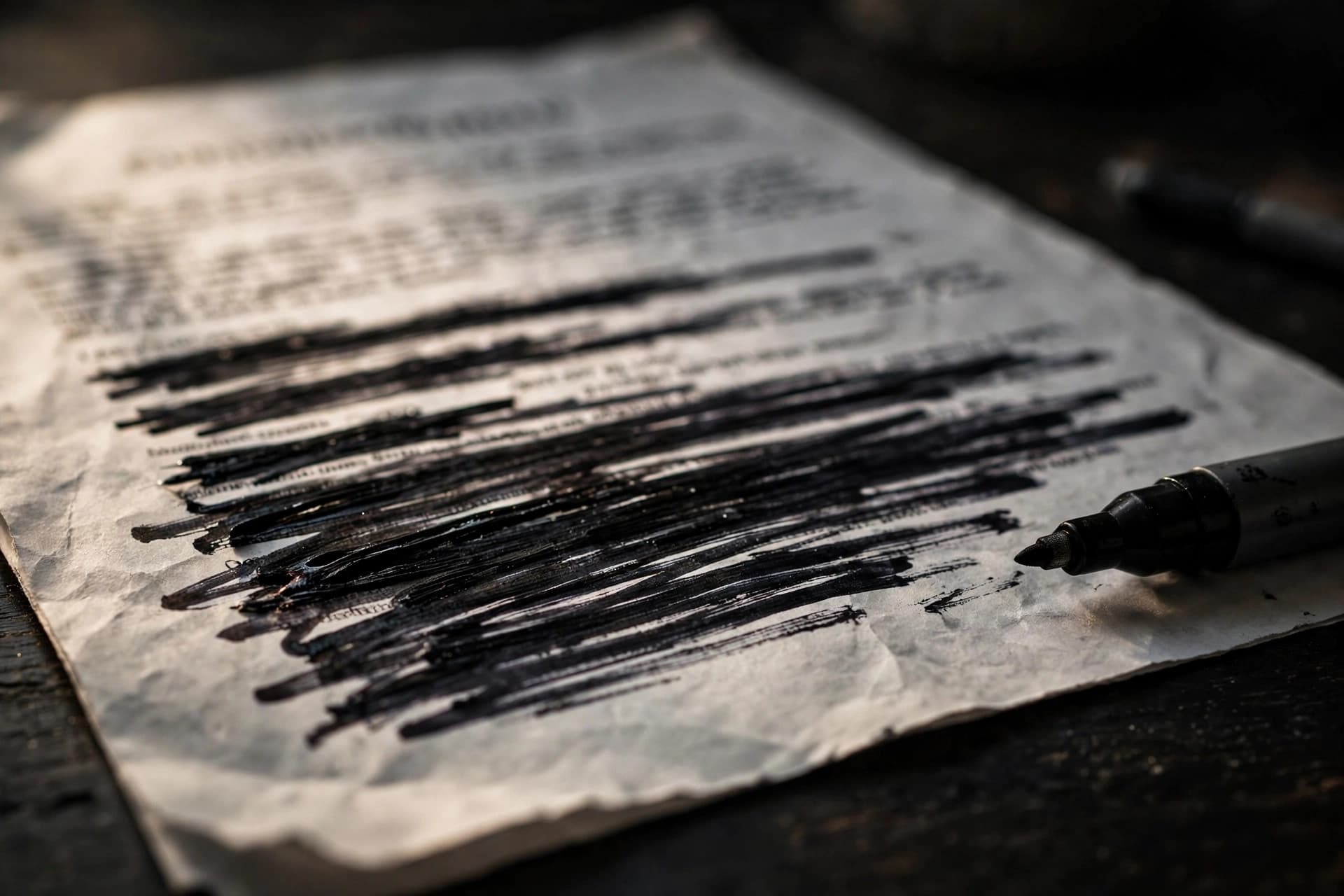
- Before redaction-adjacent sharing. Flattening plus redaction is the belt-and-suspenders approach for sensitive files: nothing editable, nothing recoverable.
The one rule: keep the master
Flattening is one-way. There is no unflatten. Before you flatten, save the editable original with a clear name — contract-fillable.pdf vs. contract-final.pdf. Every document horror story in this genre starts with someone flattening the only copy and then needing to fix a typo.
How to flatten with PDFEdit
- Open the flatten tool and upload your PDF.
- The tool detects form fields automatically and tells you how many it found.
- Choose Vector Form Flatten (lock fields, keep text) or Full Visual Bake (rasterize everything at print quality).
- Download the flattened file.
It runs entirely in your browser — no upload, no account — which is exactly what you want when the document being finalized is sensitive.
Flattening vs. related operations
- Flattening vs. protecting: flattening removes editability; password protection removes access. A flattened file can still be read and copied freely. For sensitive finals, do both.
- Flattening vs. redaction: flattening fuses layers; redaction deletes content. Flattening a document doesn't remove hidden text — if words must never be seen, redact first, then flatten.
- Flattening vs. printing to PDF: the old "print to PDF" trick is a crude raster flatten. The dedicated tool does it better: vector mode preserves quality and selectability that print-to-PDF destroys.
Which mode? A decision guide
Still unsure which flatten to pick? Run through this:
- Filled form, going to someone who just needs to read it → Vector. Text stays selectable, file stays small, fields lock.
- Document with review markups that must survive intact → Vector if the markups are annotations (they fuse); Raster if you want absolute visual permanence.
- Signed document for archiving → Raster. Nothing editable remains, at any level. The archive copy is exactly what was signed.
- File going to a print shop → Vector preserves the crisp text printers want; raster at 2x is also print-acceptable but heavier.
- Document with sensitive annotations (reviewer names in comment metadata) → Raster destroys the annotation objects entirely; vector fuses their appearance but the cautious choice for sensitive markups is the full bake.
- You need to keep the file small for email → Vector, always. Raster multiplies size.
When genuinely torn, vector is the default: it does the core job (locking editability) with none of the costs. Reach for raster when the requirement is "nothing about this file may ever change or be extracted as objects" — that's a specific, strong requirement, and the file size is its price.
Flattening and accessibility: the trade-off
One honest cost of raster flattening: it destroys the document's text layer, which means screen readers can't read it, text-to-speech fails, and search engines can't index it. For public documents — government forms, educational material, anything with an accessibility obligation — that's a real regression.
The accessible workflow: vector flatten for forms (it preserves the text layer while locking fields), and keep a tagged, unflattened master for archival. Reserve raster flattening for documents where visual permanence genuinely outweighs accessibility: signed originals, finalized designs, legal exhibits. If the document must be both tamper-proof and accessible, that's what certified digital signatures are for — a different tool with a different price tag.
Do it with PDFEdit
Flatten a PDF — free, in-browser, both modes, no account. Lock the forms with vector mode for everyday finals; bake the whole thing with raster mode when permanence is everything.